When You Actually Need an Electrolyte Drink (and When Plain Water Was Already Enough)
Quick Answer: Electrolyte replacement matters most after prolonged (60+ minutes) or heavy-sweat exercise, especially in heat, because that’s when meaningful sodium and other electrolyte loss through sweat actually occurs — for shorter or lower-intensity activity, plain water is generally sufficient, and reaching for electrolyte drinks regardless of session length or intensity adds sugar and cost without a corresponding physiological need.
The electrolyte drink aisle doesn’t distinguish between a 20-minute walk and a 90-minute hot-weather run, but your body’s actual electrolyte loss absolutely does.

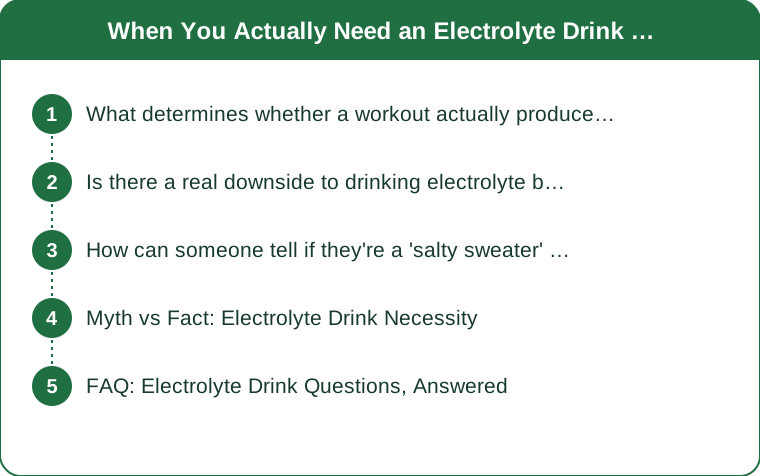
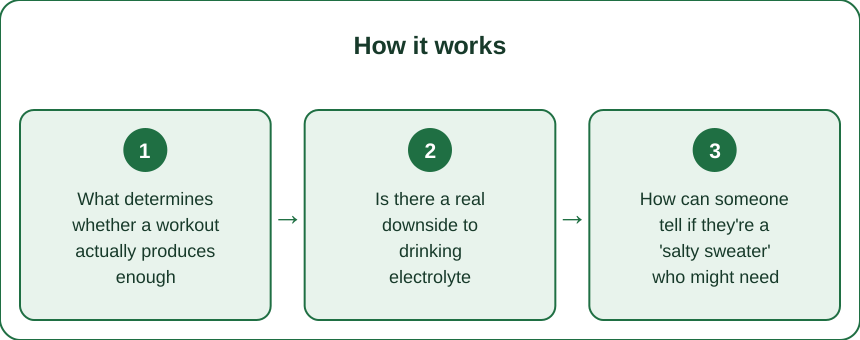
What determines whether a workout actually produces enough electrolyte loss to need replacement?
Sweat rate and session duration together are the key factors — meaningful sodium and electrolyte loss through sweat generally becomes significant with sustained sweating over roughly 60 minutes or more, particularly in hot or humid conditions that increase sweat rate. Shorter or lower-intensity sessions typically produce sweat loss that’s adequately replaced by normal water intake and a balanced diet, without needing a dedicated electrolyte product.
Individual sweat rate and sodium concentration in sweat also vary meaningfully between people — some individuals are genuinely ‘salty sweaters’ who lose more sodium per session than others at the same activity level.
Is there a real downside to drinking electrolyte beverages even when they’re not physiologically necessary?
The main practical downside is unnecessary added sugar and calories in many commercial electrolyte drinks, which don’t provide additional benefit if the underlying electrolyte loss doesn’t warrant replacement — for someone drinking them after every short, low-intensity session, this can add up to a meaningful amount of added sugar over time without a corresponding physiological need.
There isn’t a significant safety concern with moderate use, but it’s a cost and nutritional tradeoff worth being intentional about rather than defaulting to reflexively.

How can someone tell if they’re a ‘salty sweater’ who might need electrolytes more than average?
A commonly cited practical sign is visible white, chalky residue on skin or clothing after sweating heavily — this residue is crystallized salt, and its visible presence suggests a higher-than-average sodium concentration in sweat, meaning electrolyte replacement may be more relevant even for moderate-duration sessions.
Without that visible sign, most people can reasonably assume average sweat sodium loss and apply the general 60-minute-plus duration guideline for when electrolyte replacement becomes more relevant.
Myth vs Fact: Electrolyte Drink Necessity
Myth: Any amount of sweating means you need electrolyte replacement. Fact: Meaningful electrolyte loss requiring replacement generally requires sustained, heavier sweating, not brief or light sweating.
Myth: Electrolyte drinks hydrate you better than plain water in all situations. Fact: For shorter or lower-intensity activity, plain water hydrates equally well without unnecessary added sugar.
Myth: More electrolytes are always better after intense exercise. Fact: Excessive electrolyte and sodium intake beyond what’s actually lost isn’t necessarily beneficial and isn’t the goal — matching replacement to actual loss is.
FAQ: Electrolyte Drink Questions, Answered
Should electrolyte drinks be used during hot weather even for shorter workouts?
Heat increases sweat rate meaningfully, so even shorter sessions in genuinely hot conditions may cross into the range where electrolyte replacement becomes more relevant than in cooler conditions.
Are homemade electrolyte drinks (water, salt, citrus) a reasonable lower-sugar alternative?
Yes — a simple homemade version can provide sodium replacement without the added sugar of many commercial products, for those who want electrolytes without the sugar tradeoff.
Does electrolyte need increase with age or specific health conditions?
Certain conditions and medications can affect electrolyte balance meaningfully — for anyone with kidney issues, blood pressure medication, or other relevant conditions, discussing electrolyte intake with a doctor is the appropriate approach rather than general guidance alone.
TL;DR:
- Meaningful electrolyte loss generally requires 60+ minutes of sustained, heavier sweating
- Shorter or lower-intensity sessions are typically well-served by plain water alone
- Visible salt residue after sweating is a practical sign of above-average sodium loss
- Reflexive electrolyte drink use after every session adds unnecessary sugar without matching physiological need
Electrolyte drinks earn their place after long, hot, heavy-sweat sessions — for the short daily workout, plain water was probably already doing the job.
Keep Reading
This article is for general informational purposes only and is not medical advice. Always consult a qualified health professional for guidance specific to you.