Matcha, Golden Milk and Friends: An Honest Guide to Wellness Drinks
The wellness-drink aisle has become a personality quiz: matcha girls, kombucha loyalists, golden-milk evangelists, $14-smoothie confessionals. Beneath the aesthetics sits a fair question — which of these actually do anything? The pleasant answer: several carry legitimate research, a few are lovely placebos, and one habit (what these drinks replace) matters more than any of them. Here is the honest menu, whisk included.

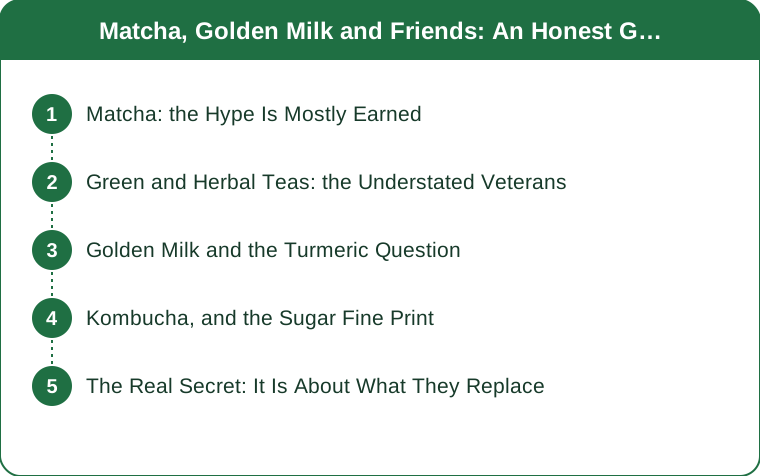
Matcha: the Hype Is Mostly Earned
Matcha is powdered whole green-tea leaf — you drink the leaf itself, which multiplies green tea’s compounds: generous EGCG (the polyphenol behind most green-tea research on metabolism and cellular protection) plus L-theanine, an amino acid that smooths caffeine into what fans accurately call calm alert — focus without the jitter-crash arc of coffee. At 60–70mg caffeine per serving, it is coffee’s gentler cousin. Make it right: sift half a teaspoon, add 80°C water (never boiling — bitterness lives there), whisk in a W motion until foamy. Ceremonial grade for drinking straight; culinary grade for lattes.
Green and Herbal Teas: the Understated Veterans
Regular green tea remains the most-studied beverage on earth short of water: consistent observational links to cardiovascular health and healthy aging, at pennies per cup. The herbal shelf holds real citizens too — ginger tea for nausea and digestion (genuinely evidenced), peppermint for post-meal bloat, chamomile with modest sleep support, hibiscus with surprisingly decent blood-pressure data. None are medicine; all are pleasant rituals with benefits attached, which is arguably the ideal wellness product category: cheap, calming, and impossible to overdose on.

Golden Milk and the Turmeric Question
Golden milk — turmeric, warm milk, cinnamon, ginger, black pepper — tastes like a hug and carries an asterisk: curcumin, turmeric’s star compound, has real anti-inflammatory research but famously poor absorption; the black pepper is not decoration (piperine boosts curcumin uptake dramatically) and the milk’s fat helps too. A nightly cup is a lovely, mildly-beneficial wind-down ritual — just know the therapeutic doses in studies far exceed a latte’s content. Recipe: cup of milk of choice, half-teaspoon turmeric, pinch of pepper, cinnamon, honey. Whisk warm, drink slowly, sleep well.
Kombucha, and the Sugar Fine Print
Kombucha delivers fermented-food credibility in a bottle — live cultures, organic acids, and an inarguably superior mouthfeel to soda. The honest caveats: probiotic content varies wildly by brand, benefits research trails well behind yogurt and kimchi, and some bottles pack soda-adjacent sugar. Buy refrigerated, check for under 8–10g sugar per serving, and file it where it belongs: an excellent soda replacement with plausible gut fringe benefits — not a health intervention. The swap it enables is the actual wellness event.
The Real Secret: It Is About What They Replace
Zoom out and the wellness-drink story is mostly a substitution story: a matcha replacing a caramel latte saves 200-plus sugar calories daily; kombucha replacing soda, golden milk replacing dessert, herbal tea replacing doom-scroll wine — each swap out-earns the drink’s own compounds. And underneath them all, plain water remains the undefeated original: most afternoon fog and false hunger is mild dehydration wearing a costume. Build the ritual — the whisking, the good mug, the pause — around drinks that displace sugar, and the aesthetic becomes genuinely functional. The vibes, in this case, are load-bearing.
The honest wellness-drink verdict: matcha and green tea earn their fame, ginger and chamomile do modest real work, golden milk is a beautiful mild ritual, kombucha is soda’s virtuous understudy — and every one of them wins mostly by what it replaces. Pick two you enjoy, make the preparation a daily pause, and count the sugar you quietly retired. That — not the $14 aesthetic — is where the glow comes from.
Keep Reading
This article is for general informational purposes only and is not medical advice. Always consult a qualified health professional for guidance specific to you.