How Much Caffeine Is Actually in Your Favorite Wellness Drink?
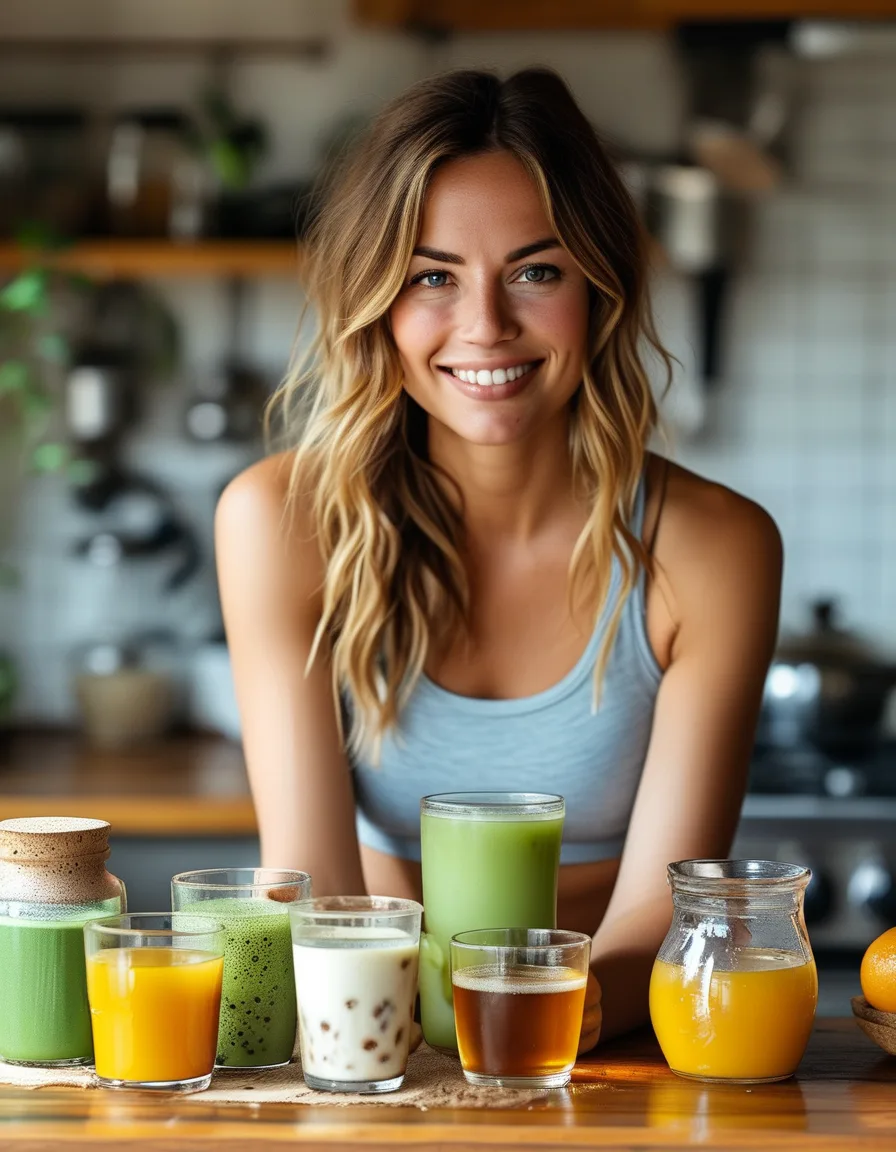
Quick Answer: Caffeine content varies widely across popular wellness drinks — matcha typically has 60-80mg per serving (close to a small coffee), kombucha usually has 5-15mg (minimal), and yerba mate often runs 65-130mg depending on preparation — so ‘gentler than coffee’ isn’t automatically true just because a drink is marketed as wellness-focused.
You switched from coffee to matcha assuming it would mean way less caffeine. Depending on how it’s made, that assumption might be wrong.
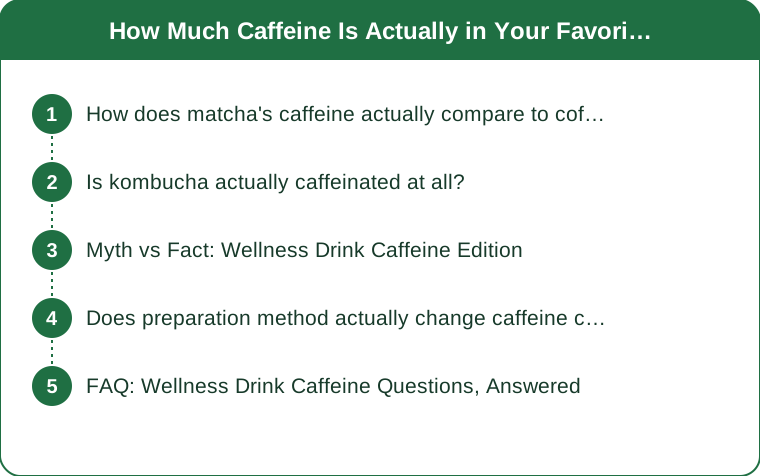
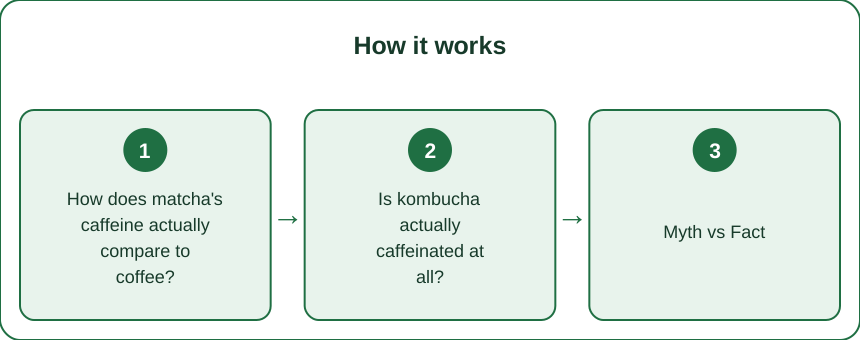
How does matcha’s caffeine actually compare to coffee?
A standard matcha serving typically delivers 60-80mg of caffeine, compared to roughly 95mg in an average cup of coffee — closer than most people expect, though matcha’s L-theanine content is often credited with producing a steadier, less jittery release than coffee’s caffeine alone.
The steadier feeling isn’t zero caffeine, though — matcha is a genuine stimulant, just one that many people experience differently than coffee’s faster onset.
Is kombucha actually caffeinated at all?
Yes, but usually only a small amount — kombucha is fermented from tea, so it retains a fraction of the original tea’s caffeine, typically 5-15mg per serving, well below even a cup of black tea.
This makes kombucha a reasonable choice for someone specifically trying to minimize caffeine while still getting a flavorful, ritual-feeling beverage — its wellness benefits center more on fermentation byproducts than any meaningful stimulant effect.

Myth vs Fact: Wellness Drink Caffeine Edition
Myth: Yerba mate is a gentle, low-caffeine alternative to coffee. Fact: Depending on preparation strength, yerba mate can contain 65-130mg of caffeine, sometimes exceeding a cup of coffee — it’s marketed as gentler due to different accompanying compounds, not because it has less caffeine.
Myth: Herbal tea-based wellness drinks always have some caffeine. Fact: True herbal teas (chamomile, peppermint, rooibos) are naturally caffeine-free — the confusion often comes from lumping them in with actual tea-based drinks like matcha or kombucha.
Myth: Golden milk lattes have hidden caffeine. Fact: Turmeric-based golden milk is naturally caffeine-free unless a black tea base is specifically added — check the recipe or label rather than assuming.
Does preparation method actually change caffeine content significantly?
Yes, substantially. Matcha whisked from more powder delivers proportionally more caffeine, and yerba mate steeped longer or with more leaf extracts more caffeine — unlike coffee, where portion sizes are fairly standardized, these traditional drinks vary a lot based on how they’re actually made.
If you’re tracking caffeine intake carefully, checking your specific preparation method (or a product’s label, for bottled versions) matters more for these drinks than it does for a standard cup of drip coffee.
FAQ: Wellness Drink Caffeine Questions, Answered
Which wellness drink has the least caffeine?
Kombucha and true herbal teas (chamomile, peppermint, rooibos) are the lowest-caffeine or caffeine-free options among popular wellness drinks.
Can you build a tolerance to matcha’s caffeine the same way as coffee?
Yes — matcha’s caffeine works through the same mechanism as coffee’s, so regular daily use builds similar tolerance patterns over time.
Is it safe to drink matcha and coffee on the same day?
Generally yes in moderation, but stacking both without accounting for total caffeine can add up faster than expected — tracking total daily intake matters more than which specific drinks you’re combining.
TL;DR:
- Matcha (60-80mg) sits closer to coffee’s caffeine level than most people assume
- Kombucha is low-caffeine (5-15mg); true herbal teas are caffeine-free
- Yerba mate can match or exceed coffee’s caffeine depending on preparation strength
- Preparation method changes caffeine content more for these drinks than for standard coffee
Before assuming a wellness drink means less caffeine, check the actual numbers — the marketing and the milligrams don’t always agree.
Keep Reading
This article is for general informational purposes only and is not medical advice. Always consult a qualified health professional for guidance specific to you.