Why 'Healthy' Bottled Wellness Drinks Can Have as Much Sugar as Soda
A bottled drink labeled with words like ‘detox,’ ‘immunity,’ or ‘clean energy’ gets grabbed as the obviously healthier choice next to a can of soda. But many of those same bottles carry twenty to thirty grams of added sugar per serving, a number close to or matching a regular soda, with the wellness branding doing more work than the actual nutrition label.

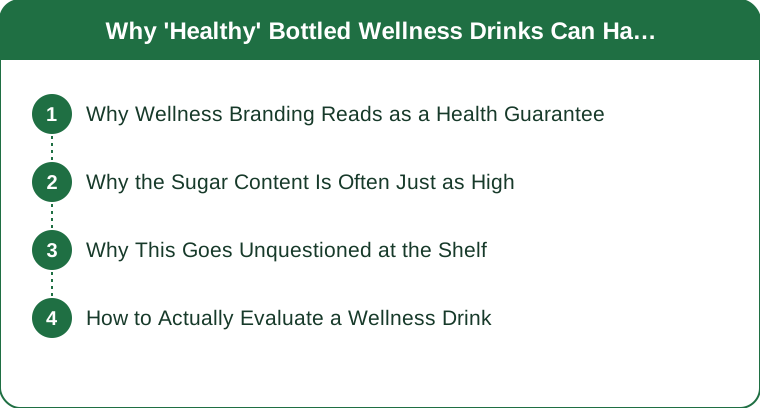
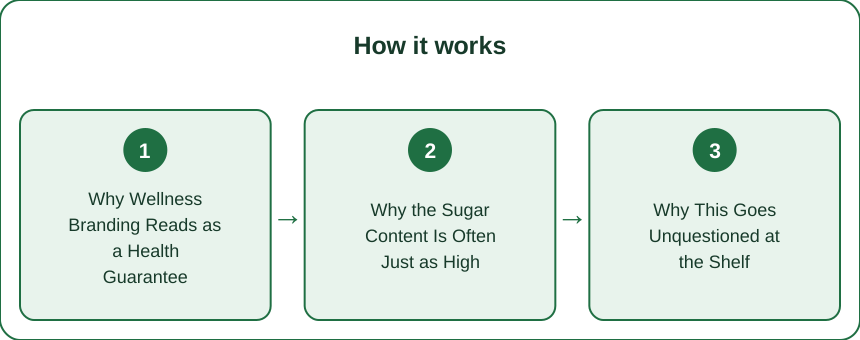
Why Wellness Branding Reads as a Health Guarantee
The label-trust shortcut: words like ‘detox,’ ‘clean,’ or ‘immunity-boosting’ printed prominently on a bottle creating an immediate impression of a healthier choice, which makes most shoppers grab it without flipping the bottle to check the actual nutrition facts.
Why the Sugar Content Is Often Just as High
The formulation reality: many wellness drinks relying on fruit juice concentrates, cane sugar, or honey to make herbal or functional ingredients palatable, and those added sugars frequently add up to twenty to thirty grams per bottle, comparable to or exceeding a twelve-ounce can of regular soda.
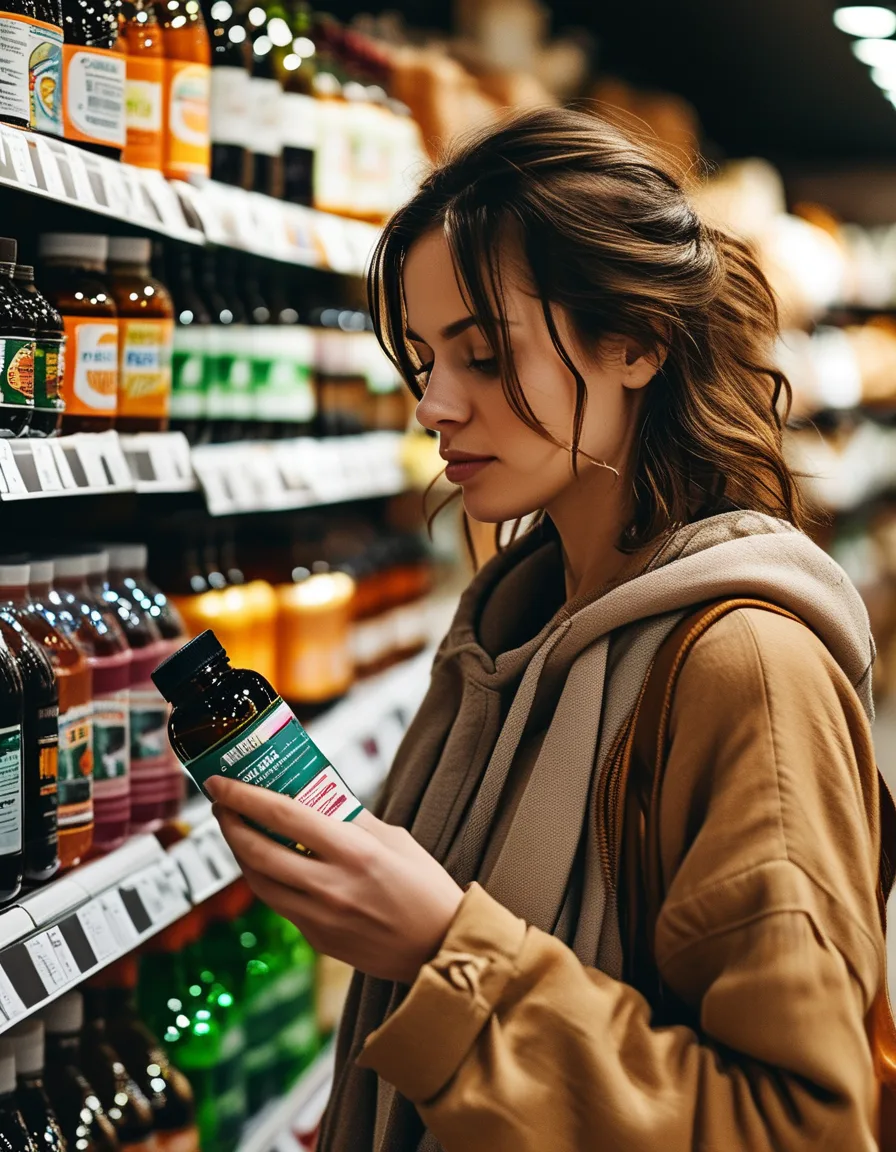
Why This Goes Unquestioned at the Shelf
The overlap: a wellness drink and a soda occupying completely different marketing categories and store sections, which makes a side-by-side sugar comparison feel unnecessary, even though nothing about the front-of-bottle language is required to reflect the actual sugar content inside.
How to Actually Evaluate a Wellness Drink
The practical habit: flipping to the nutrition label and checking grams of added sugar per serving before trusting the front-of-bottle claims, and treating a wellness drink with 20-plus grams of added sugar as a treat rather than a health choice, and the frame (wellness branding doesn’t reflect actual sugar content — checking the nutrition label is what actually reveals whether a drink is meaningfully different from soda.)
A bottled drink labeled ‘detox,’ ‘immunity,’ or ‘clean energy’ gets grabbed as the obviously healthier choice next to soda, but many of those same bottles rely on fruit juice concentrates or cane sugar to make functional ingredients palatable, adding up to twenty to thirty grams of added sugar per bottle, comparable to a can of regular soda. A wellness drink and a soda sit in completely different marketing categories, which makes a side-by-side sugar comparison feel unnecessary even though front-of-bottle language isn’t required to reflect what’s actually inside. Flipping to the nutrition label before trusting the claims is what actually reveals the difference, or lack of one.
Keep Reading
This article is for general informational purposes only and is not medical advice. Always consult a qualified health professional for guidance specific to you.